
Traffic violence is not inevitable.
Driving Change addresses its root causes through education,
advocacy, and community-led action.
Driving Change addresses its root causes through education,
advocacy, and community-led action.
Interested?
Drop a message below
We also accept donations of stocks through the stock donate platform.
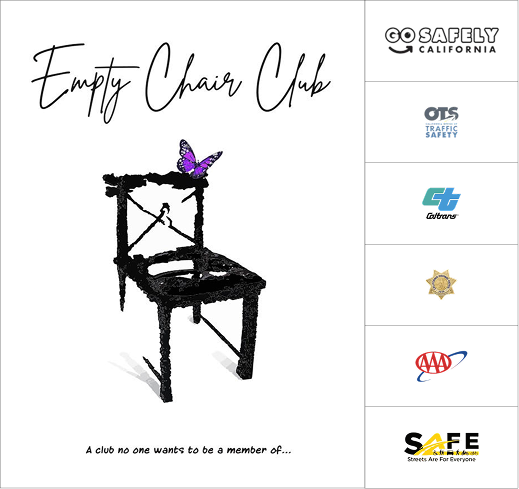
Donate StockThe empty chair is more than an image — it's a moment of recognition. It calls for a personal realization that every reckless decision behind the wheel has a name, a face, a family, and an empty chair attached to it. What began as a personal essay has become a state-backed initiative, adopted by California's Office of Traffic Safety for World Day of Remembrance and expanding through partnerships with Vision Zero Network, Families for Safe Streets, and transportation agencies across the country. Our goal is audacious but achievable: make the Empty Chair Club a nationally recognized symbol of traffic violence prevention.
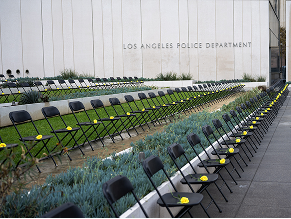
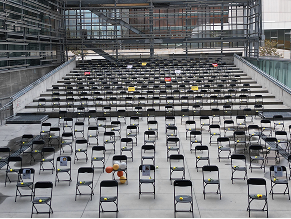
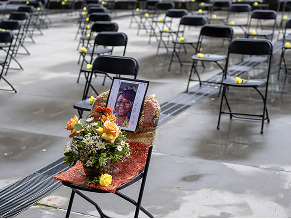
On November 16, 2025 at the World Day of Remembrance for Traffic Victims, 711 empty chairs were installed in downtown Los Angeles—one for every person killed in Los Angeles County traffic crashes over the previous year. Each chair, adorned with a yellow rose, represented dreams unfulfilled and love interrupted.
I am no longer accepting the things I cannot change. I am changing the things I cannot accept.
Winner of 15 film festivals, this award-winning documentary chronicles the breathtaking beauty and deadly reality of Pacific Coast Highway through Malibu. More than a film about a dangerous road, it's a meditation on government indifference, citizen activism, and the human cost of inaction.
Through personal stories of loss, historical context, and unflinching examination of systemic failures, "21 Miles in Malibu" has become both a rallying cry and a blueprint for communities facing similar battles across America. The documentary has screened at major film festivals and been covered by national media including KCRW and The Hollywood Reporter.


After fifteen years of sustained advocacy, Governor Newsom signed Senate Bill 1297 into law on September 27, 2024. Championed in the wake of the tragic deaths of four Pepperdine students in October 2023, the bill authorizes up to five automated speed enforcement cameras along the deadliest stretches of Pacific Coast Highway.
Speed cameras are expected to be operational by late 2025 or early 2026, marking the first major infrastructure intervention on PCH in more than a decade.

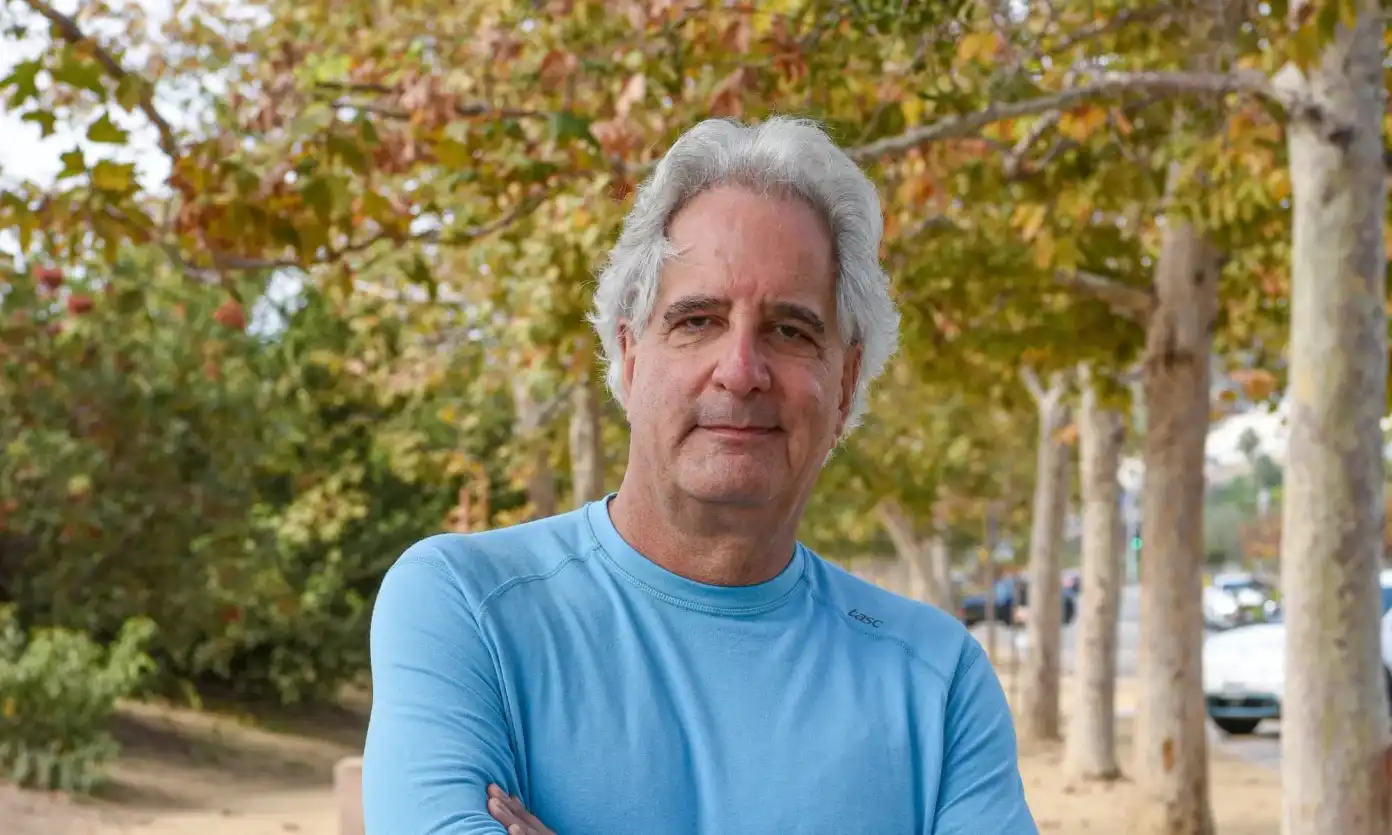
On March 9, 2025, Michel Shane delivered the keynote at the Lifesavers Conference in Long Beach, the nation’s largest gathering of highway safety professionals, with more than 1,800 experts in attendance. Speaking to an audience where many had lost loved ones to road violence, his message was simple: if one grieving parent can outline comprehensive solutions, institutions with power and resources must act.
The address positioned Driving Change as a national voice in traffic safety, making clear that solutions exist. What’s missing is political will.
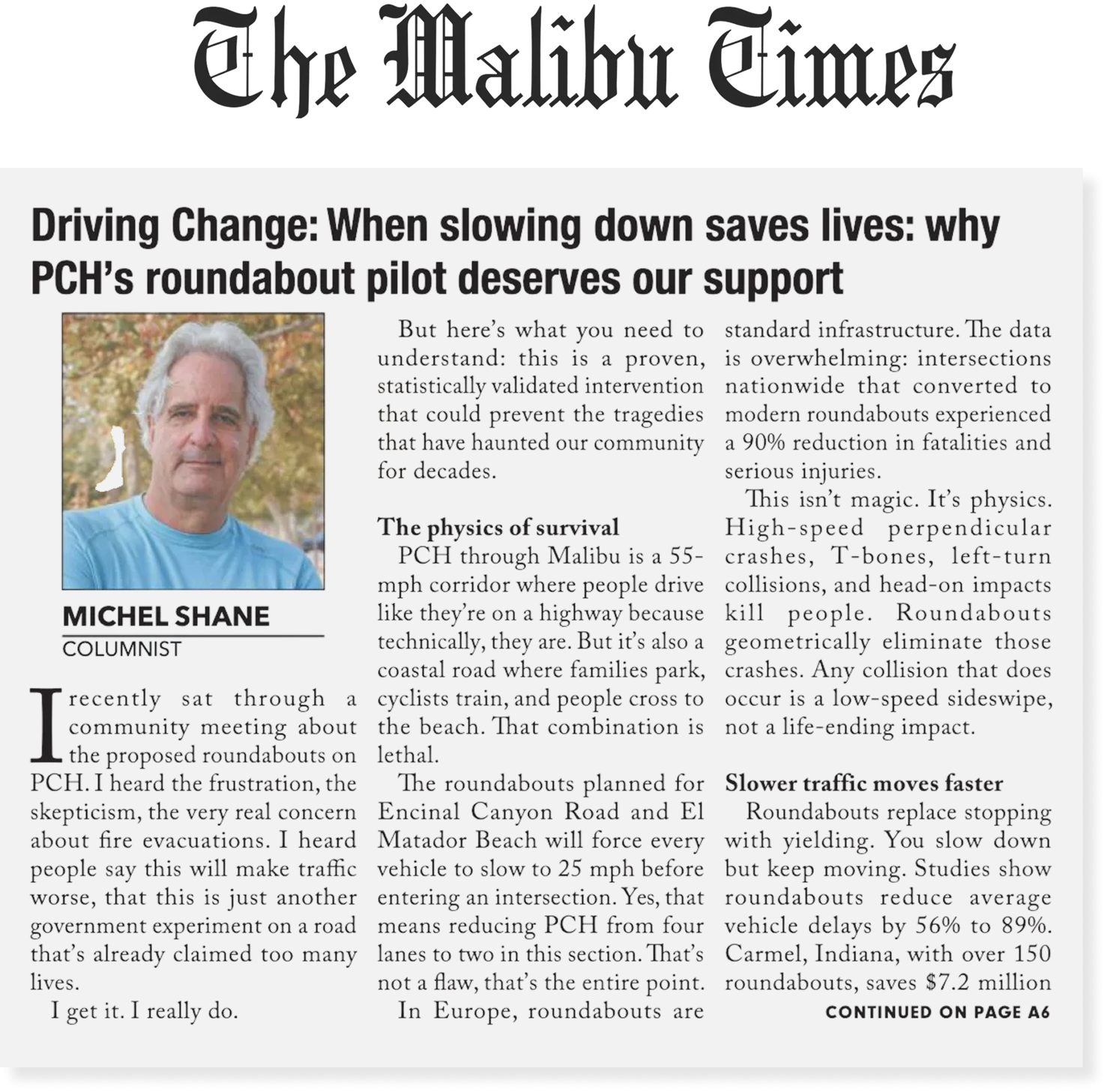
Every two weeks, Michel Shane's "Driving Change" column appears in The Malibu Times, serving as both commentary and call to action.
The articles demonstrate sophisticated thinking about infrastructure, policy, psychology, and systems change—written with the moral clarity that only comes from lived experience. They've influenced local policy debates, educated thousands about traffic safety issues, and provided a roadmap for activists in other communities.
The column has become essential reading for anyone invested in PCH safety and broader traffic safety reform.
As Malibu recovers from the devastating Palisades Fire and prepares for an influx of tourists for the 2026 World Cup, 2027 Super Bowl, and 2028 Olympics, Michel Shane and community partners have championed an innovative solution: the "Blue Highway."
The Pier-to-Pier ferry service will transport tourists and residents between Malibu, Santa Monica, and Marina Del Rey—getting cars off PCH and putting travelers on the water. The initiative addresses multiple crises simultaneously: traffic congestion, fire evacuation routes, environmental sustainability, and economic recovery for fire-ravaged businesses.